document.documentElement.classList.add("cf-on");'; return; } ?> document.documentElement.classList.add("cf-on");'; return; } ?>
Drama App Shorts Guide 2026 Feature Breakdown

Five Contenders, Six Rounds and No Prizes for Participation

It has been some time since short-drama apps counted as a fringe curiosity. According to Sensor Tower, global in-app revenue for the category reached about $700M in Q1 2025, with the US producing 49% of it. Full-year 2025 ended up at roughly $2.8–3B, and by Q1 2026 the quarterly figure had risen to about $750M. If you have ever searched a store for a short reels app, you have encountered at least one of the five names that dominate www.freedramashorts.com/series/his-love-was-a-lie the conversation: ReelShort, DramaBox, ShortMax, My Drama and DramaWave. On the surface they look identical, with vertical episodes, a cliffhanger every minute or two and a weekly pass waiting behind the paywall. The differences lie underneath, in ownership, pricing, platforms and extras, and they change what you pay and where you can watch. Six rounds, one winner per round: that is the format, and we relied on only store listings, company terms and published industry data as of September 2026.

The Side-by-Side Comparison Grid

The whole field sits on one screen here, before the rounds begin. Prices are the figures displayed in the US App Store as of September 2026, and they vary by country, platform and promotion. Media Partners Asia supplies the market shares, which cover the microdrama market outside China. Install counts come from each app’s Google Play listing. A cell reading “not reported” means no reliable source published the figure; we would rather leave a gap than guess. See the rounds below as the commentary and the grid as the scoreboard.

Feature ReelShort DramaBox ShortMax My Drama DramaWave
Operator Crazy Maple Studio (Sunnyvale, CA) StoryMatrix (Singapore) SHORTTV LIMITED (Hong Kong) Holywater (Kyiv) Skywork AI (Kunlun Tech)
Launch date August 2022 Apr 2023 September 2023 Spring 2024 Sep 2024
Google Play installs 100M+ 100M+ 100M+ 5M+ 100M+
Subscription plans (US App Store) About $19.99 per week Memberships: $5.99, $17.99, $19.99 $9.99 or $19.99 weekly About $19.99 a week Weekly $7.99–$19.99; monthly $36.99
Other purchases $4.99–$29.99 one-time $4.99–$19.99 special offers One-time $3.49–$24.99 Coins: $4.99–$24.99; Premium: $4.99–$9.99 Not reported
Claimed catalog Not reported Not reported 50,000+ dramas in 19 languages Fox: 200+ titles across two years 30,000+ dramas, 18 languages
Beyond the phone Browser player, Mac, Vision Pro Site points to the app Web browsing on ShortTV site Apple TV (tvOS 18+), Vision Pro iOS and Android apps
Standout perk Official YouTube, TikTok, Dailymotion channels Disney Accelerator 2025 Multilingual catalog Fox-produced originals Offline downloads, 1080p, comments
Revenue per Sensor Tower $130M Q1 2025; about $140M Q1 2026 $120M Q1 2025; about $140M Q1 2026 (#1) Not reported Not reported Not reported
Share outside China (MPA) About 29% Around 21% Not reported Not reported Roughly 13%

Round 1: Ownership and Size

The incumbent is ReelShort, and it continues to carry the most weight. Backed by China’s COL Group and based in Sunnyvale, Crazy Maple Studio launched it in August 2022, and MPA credits it with about 29% of the market outside China. Its 2025 revenue comes to $785M in MPA’s estimate, and MPA forecasts $1.05B for 2026. Singapore’s StoryMatrix operates DramaBox as a subsidiary of Beijing Dianzhong Technology; the app launched in April 2023 and has about 21%. Sensor Tower had ReelShort ahead $130M to $120M in Q1 2025, but by Q1 2026 the two were even at roughly $140M each, with DramaBox ranked first. DramaWave, often mistyped as “dreamwave”, is the youngest app here, yet it already commands about 13% and its annualized revenue reportedly exceeded $700M by Q2 2026. The only one with Fox Entertainment as a shareholder is My Drama, even though it is the minnow with 5M+ Android installs. ShortMax appears to be the same app as Jiuzhou Culture’s ShortTV, and it operates from Hong Kong. For context, GoodShort has about 6% and sits just outside this group. Winner: ReelShort, by a narrow margin, on market share.

Round 2: Cost

This is the round where the apps look most alike. A weekly pass at around $19.99 is sold by ReelShort, ShortMax, My Drama and DramaWave in the US App Store, and each one auto-renews. DramaWave’s weekly VIP starts at $7.99, and ShortMax also offers a $9.99 “Weekly Pass Pro”. Taking a different route, DramaBox sells auto-renewing memberships at $5.99, $17.99 and $19.99 plus special offers from $4.99. The only verified monthly plan in these US listings, DramaWave’s monthly VIP at $36.99, is the standout. Since four weeks of a $19.99 weekly pass come to about $80, a monthly plan at less than half that is the better buy for steady viewers. Prices vary by country, platform and promotion, so the number on your screen may differ. Winner: DramaWave, because its monthly plan undercuts four weekly renewals by a wide margin.

Round 3: Free Viewing Options

On free viewing, the marketing gets loud and the details get thin. Per ReelShort’s own blog, the first 5 to 15 episodes of a series are usually free, and one rewarded ad unlocks two premium episodes. Keep a seven-day check-in streak and you get 100+ coins, although free reward coins usually expire while paid coins do not. ReelShort also runs official channels on YouTube, TikTok and Dailymotion, the easiest legitimate way to sample a reel short drama without paying. Never treat look-alike sites, modded APKs or “unlimited coins” generators as a safe shortcut; they are unofficial, so stay away. Only third-party guides publish DramaBox’s exact numbers for free episodes, ad caps and check-in coins, though the app has free options too. Winner: ReelShort, clearly.

Round 4: Screens and Platforms

These apps truly part ways on the question of screens. ReelShort covers iPhone, iPad, Apple silicon Macs, Vision Pro and Android, and it also streams in a browser at reelshort.com with progress that syncs across devices. On DramaBox’s side, the website mostly points you back to the app, while DramaWave is verified only on its iOS and Android apps. ShortMax offers web browsing too, since its domain redirects to the ShortTV website. Thanks to an Apple TV app for tvOS 18 or later, something ReelShort’s App Store listing does not show, My Drama plays the trump card. Any of the five will do if a shorts app on your phone is all you need. Winner: ReelShort overall, though My Drama takes the living room.

Round 5: Library and Originals

ShortMax is unbeatable on raw numbers. As of January 2024 the company behind ShortTV had made more than 600 mini-dramas for overseas markets, most of them dubbed Chinese adaptations, and the app now claims 50,000+ dramas in 19 languages. DramaWave advertises 30,000+ dramas in 18 languages, and reports say more than 80% of its newly released content is AI-generated. When it comes to recognizable hits, ReelShort comes out ahead, with The Double Life of My Billionaire Husband and Fated to My Forbidden Alpha, both of which went viral in November 2023. An LA production team and originals such as Fake Dating My Rich Nemesis are DramaBox’s answer. Fox’s commitment to 200+ vertical titles over two years gives My Drama the most intriguing pipeline. Round winner: ShortMax, on pure volume.

Round 6: Bonus Features and Fine Print

This round goes to DramaWave by a distance. No other app in this comparison is verified to offer offline viewing, while its App Store listing promises offline downloads, on-screen comments and 1080p video. The next most useful perk, for viewers who switch between phone and laptop, is ReelShort’s cross-device sync. Also take a look at the fine print, which varies more than the prices do. My Drama forfeits coins after 12 months of inactivity, and ShortMax’s terms state refunds are not given “unless the paid product/service is unusable”. On any of these apps, deleting the app does not cancel your subscription, so cancel in App Store or Google Play settings instead. The winner: DramaWave.

Best For: The Final Picks

No single short drama app takes every round, which means the best choice depends on how you watch. Best for Apple TV is My Drama, the one app here with a verified tvOS version and the only one with Fox-produced originals. ReelShort is best for web viewing, with a full browser player and progress that travels with you between devices. Best for commuters and steady bingers is DramaWave, which pairs offline downloads with a $36.99 monthly plan. ShortMax’s claimed 50,000+ dramas dwarf everything else in the grid, making it best for sheer volume. Best for backing the current revenue leader is DramaBox, ranked first by Sensor Tower in Q1 2026 and picked for Disney’s 2025 Accelerator class. ReelShort is again best for free, legitimate sampling, with its ad unlocks, check-in coins and official social channels. Choose one if you are tempted by all five, then cancel the weekly pass you are not using and let the cliffhangers wait a day.


HMDD Hoodie Care Guide Wash and Care Guide

Currently, This Is What’s Hot in HMDD Clothing’s Trends

Instead of using garments merely as logo-backdrops, the brand known as HMDD has carved out a singular lane in streetwear by treating it instead as a carrier for nostalgia. Heading into 2026, the brand’s growing pull is noticeable in how regularly shoppers search for an hmdd review before buying, a sign that the label has climbed from niche to a spot on the mainstream radar. Followers repeat the phrase happy memories dont die throughout social platforms as if it were an unofficial motto, turning a label name into a small cultural signal. What’s driving the current wave isn’t a single hero product but a cluster of categories — sweatpants, shorts, and layered outerwear — that keep reappearing in style roundups and reseller listings. Anyone tracking hmddla activity will notice the pattern: drops sell through fast, restocks are irregular, and secondary market prices often climb within days. This scarcity dynamic is influencing how people shop the brand in 2026, which makes it worthwhile to going it down category by category.

Sweatpants Have Become the Cornerstone Staple These Days

If there’s one category defining hmdd clothing this season, it’s sweatpants. Shoppers are drawn to pieces that pass for loungewear while looking like streetwear — which is exactly where hmdd sweatpants position themselves. Heavier fleece weights have become the norm across the category this year, with brands favoring 320-400 GSM cotton blends because they hold shape through washes better than lighter 240 GSM alternatives. Not that long ago, slim-fit joggers ruled the category; these days the silhouette shoppers keep requesting is tapered legs with wide, boxy waistbands. What sets premium sweatpants apart from plain gym pairs usually comes down to details like distressed hems, raw-cut ankles, and subtle thigh or back-pocket print placement. Search interest around best hmdd clothing lists consistently surfaces sweatpants at or near the top, often ahead of hoodies or hmddoff.com/hoodies tees, which tells you where buyer priority currently sits. For those building a 2026 wardrobe centered on the brand, the sweatpants are the safest bet with the biggest payoff.

Nobody Predicted Just How Big a Season Shorts Were About to Have

Not long ago, this category functioned as a summer afterthought across the majority of streetwear brands — that’s no longer the case. Hmdd shorts have picked up traction as a year-round piece rather than a seasonal one, fueled in part by the layering movement in which shorts get worn over leggings or paired with heavier crewnecks throughout cooler months. The two material choices attracting the most attention are mesh and French terry, and each one serving a distinct role — mesh provides breathability during warmer stretches, while terry brings a weightier hang that recalls the sweatpants aesthetic in a cropped length. A reversal from the baggier shorts trend that peaked a couple of years ago, above-the-knee cuts in the 7-to-9-inch inseam range are now outperforming longer basketball-style shorts by current demand measures. The detailing is what’s changed, while elastic waistbands with drawstring closures stay the default: tonal color-blocking, embroidered text, and contrast stitching now outnumber simple one-tone versions. This category also tends to sell through faster when restocked than bulkier outerwear pieces, given that the price point is typically more approachable for new customers testing the brand. That accessibility is likely why a large share of entry-level hmdd review posts specifically mention shorts as the piece that converted a curious browser into a repeat customer.

An Overview of the Way the Comparison Plays Out Across Key Categories

Four key criteria tend to be weighed by buyers sizing up options before checkout: fit, the weight of the material, how versatile each piece is, and how quickly items sell out. Taking those factors into account, here’s a comparison of how the current core lineup stands against itself.

Item Class Usual Silhouette Cloth Density Seasonal Flexibility Reorder Pace
Sweatpants Tapered leg line, broad elastic band at the waist Dense (320-400 GSM) Year-round Comes back in stock at a crawl, yet gets snapped up fast
Short-length bottoms A relaxed shape that falls above the knee Mid (mesh fabric or terry cloth) Suited to every season, and layers added in the cold season Middling replenishment pace
Pullover hoodies Dropped shoulders paired with an loose fit Fleece-lined for a substantial feel Best suited to fall and winter as the focus Gradual restock
T-shirts A square-cut shape, available in shortened or regular lengths Light-to-mid thickness Wearable all year Rapid replenishment

A clear signal in this data is that sweatpants and hoodies restock more slowly than shorts or tees—hence resale prices for that pair of items usually climbs above the rest. If you’re trying to allocate a tight budget, flexibility scores hint that sweatpants and shorts offer the best return since they work across seasons rather than being locked into one.

Aesthetic Approach: Nostalgia as a Visual Identity

One recurring emotional thread keeps surfacing throughout each hmdd release — the idea that happy memories don’t die, while clothing can hold onto feeling as a photograph might. You can see this in small design choices instead of loud graphics. Faded, sun-bleached color treatments are common, mimicking the appearance of a garment that’s seen years of wear before you bought it. Text placement tends to be minimal and small-scale, often tucked at the hem or sleeve cuff rather than sitting front-and-center on the chest. The current palette leans heavily on muted earth tones like washed olive, dusty brown, and off-white rather than the vivid, high-saturation hues that ruled previous streetwear eras. That understated approach is one reason that sets apart the label’s look from louder competitors, which explains why so many buyers describe the pieces as “wearable nostalgia” in reviews. The visual identity stays consistent whether you’re looking at sweatpants, shorts, or outerwear, creating a consistent thread across the entire lineup.

How Buyers Are Actually Shopping the Brand in 2026

Current shopping trends looks different from a few years ago, when hype releases served as the primary way in. These days, the bulk of purchases now involve loyal shoppers building out a fuller wardrobe instead of standalone hype items. The shift shows up in search behavior — fewer queries for a single viral item, more searches combining hmddla with specific categories like shorts or sweatpants, suggesting buyers are already familiar with the label and are refining what to add next. Sizing consistency has also improved feedback scores; older runs drew more fit-related complaints, but recent runs get fewer mentions of fit issues in review threads. Pairing sweatpants with matching shorts or tees in one colorway is a common styling move at the moment, since the understated tones make it easy to combine pieces without clashing. Resale marketplaces have turned into a credible secondary source too, especially for sold-out sweatpants colorways, though resale pricing tends to sit well above retail. If you’re just getting into the label, starting with a single versatile piece — shorts are the easiest entry point — before going all-in on a complete outfit is the approach most experienced buyers recommend.

What’s Worth Tracking For the Remainder of 2026

Certain patterns are likely to hold steady as the months ahead unfold. Since buyers have consistently favored durability and structure over flimsy, throwaway-feeling garments, count on fabric weights to continue trending denser across sweatpants and hoodies. Especially as layering styles stay in demand in colder regions, shorts are likely to keep growing beyond a summer-only category. Given how consistently the current neutral-toned approach has performed, palettes will probably stay understated rather than pivot back to bright prints. If restocks continue to be scarce, resale pricing on scarce items will likely keep climbing—and restock cadence remains the biggest wildcard, already influencing how promptly shoppers pull the trigger right when new stock arrives. What direction things take next will become clearer by observing how the brand manages hype-driven scarcity against ongoing demand from loyal shoppers. At this point, the smartest move for anyone considering the current range is to put sweatpants and shorts at the top of the list, since the pair offer the strongest mix of flexibility, steady praise for quality, and long-term durability heading deeper into 2026.

Welche Slots und Live-Spiele das Megarich Online-Casino bietet


Das Megarich Online-Casino bündelt eine große Auswahl an Spielautomaten und Live-Spielen in einer digitalen Spielumgebung. Wer sich für das Angebot interessiert, sollte nicht nur auf bekannte Spielarten achten, sondern auch auf Funktionen, Einsatzgrenzen, Auszahlungsquoten und die eigenen Spielgewohnheiten. Die Plattform megarich nennt mehr als 12.000 Slots, Live-Spiele und Sofortspiele. Dieser Überblick erklärt, welche Unterschiede zwischen den Kategorien bestehen, wie sich passende Titel finden lassen und welche praktischen Punkte vor einer Registrierung oder Einzahlung wichtig sind.

Spielauswahl und Einstieg beim Megarich Online-Casino

Das Angebot des Megarich Online-Casinos richtet sich an Spielende, die zwischen klassischen Spielautomaten, modernen Themenwelten und Angeboten mit echtem Spieltischgefühl wechseln möchten. Bei Slots stehen häufig einfache Bedienung, wechselnde Walzenbilder und besondere Funktionen wie Freispiele oder Bonusrunden im Mittelpunkt. Live-Spiele bieten dagegen eine moderierte Spielrunde mit realer Spielleitung und übertragenem Spielgeschehen. Die genannten mehr als 12.000 Spiele umfassen außerdem Sofortspiele, sodass sich die Auswahl nicht auf diese beiden Hauptbereiche beschränkt. Die konkrete Verfügbarkeit einzelner Titel kann sich ändern; deshalb lohnt es sich, die Spielübersicht direkt auf der Plattform zu prüfen.

Für die erste Orientierung hilft es, das eigene Interesse einzugrenzen: Geht es vor allem um kurze Runden, um abwechslungsreiche Themen oder um den Austausch mit einer Spielleitung? Auch der mögliche Einsatz sollte vor dem Start feststehen. Ein Willkommensangebot wird mit 100 Prozent bis zu 1.000 Euro sowie 100 Freispiele beschrieben. Solche Aktionen sind an Bedingungen geknüpft, die vor einer Teilnahme gelesen werden sollten. Besonders relevant sind Umsatzanforderungen, zeitliche Fristen, mögliche Einsatzlimits und die Frage, für welche Spiele ein Bonus zählt.

So gelingt der Einstieg in Slots und Live-Spiele

Wer das Spielangebot nutzen möchte, sollte die Kontoeröffnung und die Auswahl der Spiele bewusst angehen. Die folgenden Schritte helfen dabei, zuerst die persönlichen Rahmenbedingungen zu klären und anschließend eine passende Kategorie auszuwählen. Eine Einzahlung ist nicht automatisch erforderlich, um sich mit den Informationen zu Spielregeln, Funktionen oder Bonusbedingungen vertraut zu machen. Vor echtem Einsatz empfiehlt es sich, die Regeln des jeweiligen Spiels zu lesen und ein festes Budget zu setzen. So bleibt der Einstieg übersichtlich, unabhängig davon, ob später ein Slot oder ein Live-Tisch gewählt wird.

  1. Konto anlegen: Die Registrierung mit korrekten persönlichen Angaben starten und die Hinweise zur Nutzung des Angebots lesen.
  2. Kontodaten prüfen: Angaben kontrollieren und sich über mögliche Identitäts- oder Altersprüfungen informieren.
  3. Spielangebot erkunden: Slots, Live-Spiele und Sofortspiele nach Spielart, Thema oder Funktion durchsehen.
  4. Regeln und Kosten verstehen: Einsatzspanne, Spielablauf sowie gegebenenfalls Bonusbedingungen vor dem Spielen prüfen.
  5. Verantwortungsvoll beginnen: Ein persönliches Zeit- und Einzahlungslimit festlegen und nur mit Geld spielen, dessen Verlust verkraftbar ist.
  • Spielkategorien lassen sich passend zu persönlichen Vorlieben vergleichen.
  • Regeln vor dem Einsatz zu lesen, schafft Klarheit über Ablauf und Funktionen.
  • Ein vorab bestimmtes Budget unterstützt einen kontrollierten Spielverlauf.
  • Bonusbedingungen sollten vor einer Aktivierung vollständig geprüft werden.

Praktische Details zu Spielen, Zahlungen und Auszahlungen

Bei einer großen Auswahl zählt neben der Zahl der Titel auch, wie gut sich das Angebot nach Spieltyp und persönlichen Kriterien durchsuchen lässt. Bei Spielautomaten können Themen, Walzenaufbau, Sonderfunktionen und Einsatzspanne die Entscheidung erleichtern. Bei Live-Spielen sind dagegen Tischregeln, mögliche Einsätze und das Tempo einer Runde wichtige Vergleichspunkte. Das Megarich-Angebot umfasst nach den bereitgestellten Angaben mehr als 12.000 Slots, Live-Spiele und Sofortspiele. Vor einer Runde sollte man die jeweilige Spielbeschreibung aufrufen, denn Funktionen und Einsatzgrenzen unterscheiden sich von Titel zu Titel und können sich mit der Zeit verändern.

Auch Zahlungswege und Auszahlungsfristen gehören zur praktischen Prüfung eines Online-Casinos. Für Spielende in Deutschland werden unter anderem Sofort beziehungsweise Klarna, Giropay sowie Bitcoin, Tether und Ether als Zahlungsmöglichkeiten genannt. Die angegebenen Auszahlungszeiten unterscheiden sich nach Zahlungsart: Kryptowährungsabhebungen sollen sofort erfolgen, Auszahlungen in herkömmlicher Währung innerhalb von ein bis drei Werktagen. Solche Angaben sind keine Garantie für jede einzelne Transaktion; Bearbeitungszeiten können von Prüfungen, Zahlungsdienstleistern und der Vollständigkeit der Kontodaten abhängen. Vor einer Einzahlung ist es daher sinnvoll, die aktuell geltenden Bedingungen und Gebühren zu kontrollieren.

  • Spielarten: Spielautomaten, Live-Spiele und Sofortspiele bilden die genannten Hauptbereiche.
  • Auswahlumfang: Die Plattform gibt mehr als 12.000 verfügbare Spiele an.
  • Zahlungswege: Genannt werden Sofort beziehungsweise Klarna, Giropay und ausgewählte Kryptowährungen.
  • Auszahlungen: Für Kryptowährungen wird eine sofortige Bearbeitung angegeben; herkömmliche Auszahlungen sollen ein bis drei Werktage benötigen.

Diese Punkte sollten im Zusammenhang betrachtet werden: Eine große Bibliothek ist besonders hilfreich, wenn Such- und Filtermöglichkeiten die Orientierung erleichtern. Zahlungsangaben wiederum sind nur dann aussagekräftig, wenn Mindest- und Höchstbeträge sowie mögliche Prüfungen ebenfalls berücksichtigt werden. Wer einen Bonus nutzt, sollte zusätzlich kontrollieren, ob Einzahlungen über die gewünschte Zahlungsart für die Aktion zählen und ob bestimmte Spiele ausgeschlossen sind. Ein kurzer Blick auf die aktuellen Geschäftsbedingungen kann spätere Missverständnisse vermeiden.

Besondere Merkmale der Slot- und Live-Auswahl

Die unterschiedlichen Spielformen bieten verschiedene Erlebnisse, weshalb eine passende Auswahl mehr bedeutet als die Suche nach einem bekannten Titel. Slots eignen sich für Spielende, die eine selbst gesteuerte Runde bevorzugen und verschiedene Themen oder Sonderfunktionen erkunden möchten. Live-Spiele verbinden digitale Bedienung mit einer moderierten Tischrunde. Dabei können Spielregeln, Einsatzstufen und Spieltempo je nach Angebot variieren. Eine bewusste Auswahl beginnt deshalb mit einem Blick auf die Spielbeschreibung und nicht allein auf Gestaltung oder mögliche Gewinnhinweise. Ergebnisse bleiben zufallsabhängig; frühere Runden erlauben keine verlässliche Vorhersage künftiger Spielausgänge.

  • Breite Kategorien: Slots, Live-Spiele und Sofortspiele ermöglichen unterschiedliche Spielabläufe.
  • Verschiedene Themen: Spielautomaten können nach Motiven und Funktionen ausgewählt werden.
  • Moderierte Runden: Live-Angebote vermitteln ein Spieltischgefühl mit digitalem Zugang.
  • Bonusangebot: Beschrieben wird ein Willkommensbonus von 100 Prozent bis zu 1.000 Euro sowie 100 Freispiele, jeweils vorbehaltlich der Bedingungen.

Wer mehrere Kategorien ausprobiert, sollte die dafür vorgesehenen Einsatzlimits im Auge behalten und nicht versuchen, Verluste durch höhere Einsätze auszugleichen. Eine Unterbrechung ist sinnvoll, sobald das Spielen nicht mehr der Unterhaltung dient oder das festgelegte Budget erreicht ist. Die Möglichkeit, zwischen Slots und Live-Spielen zu wechseln, sollte nicht zu längeren oder häufigeren Spielsitzungen führen. Verantwortungsvolles Spielen bedeutet auch, die eigenen Grenzen ernst zu nehmen und bei Bedarf verfügbare Schutzfunktionen wie Zeit- oder Einzahlungslimits zu verwenden.

Lizenz, Spielerschutz und Kontosicherheit

Vor der Nutzung eines Online-Casinos lohnt es sich, Lizenzangaben und Sicherheitsinformationen selbst zu überprüfen. Für das Megarich-Angebot wird die Lizenz der Curaçao Gaming Authority mit der Kennung OGL/2024/112/0974 genannt. Eine Lizenzangabe ersetzt nicht die eigene Prüfung der geltenden Bedingungen oder der Frage, welche Regeln für den jeweiligen Wohnort gelten. Ebenso wichtig sind Hinweise zur Kontosicherheit, zum Datenschutz, zu Beschwerdewegen und zu verantwortungsvollem Spielen. Persönliche Zugangsdaten sollten vertraulich bleiben; für ein Konto ist ein starkes, nur dort verwendetes Passwort empfehlenswert.

Auch Verifizierungsanforderungen können sich auf Ein- und Auszahlungen auswirken. Als Schwelle für eine Prüfung der Kundenidentität wird ein kumuliertes Transaktionsvolumen von 2.000 Euro genannt. Das bedeutet nicht zwangsläufig, dass jede Auszahlung bis zu diesem Betrag ohne Prüfung erfolgt: Zusätzliche Kontrollen können abhängig von den Bedingungen und Umständen verlangt werden. Wer Auszahlungen plant, sollte seine Kontodaten korrekt hinterlegen und mögliche Nachweise rechtzeitig bereithalten. Bei Unsicherheit zu Lizenz, Zahlungsbearbeitung oder Spielerschutz ist es ratsam, die aktuellen Informationen der Plattform zu lesen, bevor Geld eingezahlt wird.

Für wen das Megarich Online-Casino interessant sein kann

Das Megarich Online-Casino kann für Erwachsene interessant sein, die Slots und Live-Spiele an einem Ort erkunden möchten und Wert auf eine umfangreiche Auswahl legen. Die genannte Bibliothek mit mehr als 12.000 Spielen bietet unterschiedliche Kategorien; entscheidend ist jedoch, ob Filter, Spielbeschreibungen und Einsatzstufen zur eigenen Auswahl passen. Wer Live-Runden bevorzugt, sollte Regeln und Einsatzbereiche vorab vergleichen. Wer Spielautomaten wählt, sollte die Funktionen und den möglichen Einsatz eines Titels verstehen, statt sich von Themen oder Bonusankündigungen zu spontanen Entscheidungen verleiten zu lassen.

Eine fundierte Entscheidung berücksichtigt neben der Spielauswahl auch Zahlungsarten, Auszahlungsfristen, Lizenzhinweise und Bonusbedingungen. Die beschriebenen Zahlungswege reichen von Sofort beziehungsweise Klarna und Giropay bis zu ausgewählten Kryptowährungen; angegebene Bearbeitungszeiten können im Einzelfall abweichen. Das Willkommensangebot ist nur dann ein Vorteil, wenn seine Bedingungen zum eigenen Spielverhalten passen. Am wichtigsten bleibt ein selbst gesetztes Budget, ergänzt durch klare Zeitgrenzen und Pausen. Glücksspiel ist Unterhaltung, keine verlässliche Möglichkeit, Einkommen zu erzielen, und sollte niemals mit geliehenem oder für notwendige Ausgaben vorgesehenem Geld finanziert werden.

How to Wear Prestige Hoodie Sizing Made Easy

Prestige 2027: What to Expect From the Label’s New Phase

Every so often, a clothing brand reaches a point where sharper questions begin surfacing about its direction by shoppers, and heading into 2027, Prestige has arrived at that point. Those googling “what is Prestige” at present encounter a brand that has moved from niche streetwear curiosity to a well-known name in relaxed and elevated staples. This transformation was not instant. It unfolded across a slow accumulation of decisions on product, a sharpening of the Prestige collection structure, and a willingness to say no to trends misaligned with the label’s identity. Here we consider what the next stage probably has in store, based on what the label has already proven, not guesswork disguised as certainty.

If you are new to the label, regard Prestige as a brand constructed around wearable staples rather than trend-driven showmanship. Notably, the Prestige hoodie line has grown into the anchor product that most first-time buyers encounter first, frequently through informal recommendation or a Prestige review posted to a community forum rather than sponsored promotion. Because that organic discovery trend is significant, it informs the brand’s 2027 planning—leaning toward more depth in established bestsellers over scattered new ventures.

Right Now — The Place Where Prestige Clothing Finds Itself

Before looking ahead, a good starting point is Prestige clothing’s present-day footprint. The label’s sales flow chiefly through its proprietary Prestige store channels, keeping distribution tighter than many competitors who spread thin across dozens of marketplaces. This represents a intentional decision. Since the brand keeps its channels narrow, Prestige is able to control presentation, prestigehoodie.org pricing consistency, and the pace of new drops, and this molds customer expectations around scarcity and quality.

Right now, six defining factors shape the present phase of Prestige’s clothes—and each one rolls forward into the 2027 outlook:

  • Instead of chasing fast-rotating trend pieces, the focus centers on hoodies, sweatshirts, and essential layering pieces.
  • Direct-to-consumer sales by way of the Prestige store as the main buying route.
  • Instead of continuous mass restocking, collections are released in capped batches.
  • A customer base that is weighted toward repeat buyers rather than casual one-off buyers.
  • For new shoppers, community-driven reviews stand as the main trust signal.
  • A more measured, unhurried growth pace relative to rivals in fast fashion.

All of these signals gives valuable insight for forecasting what 2027 will look like, because fashion houses hardly ever ditch a formula that is already working. Rather than that, they sharpen it over time, which is exactly the dynamic on display in how Prestige has been pacing its recent collections.

A Turn Toward Deliberate Growth

Expansion pursued purely for its own sake has a habit of diminishing a label’s distinct sense of self, and Prestige comes across as dodging that trap. Instead of pushing a flood of new SKUs out monthly, Prestige has leaned toward a more limited output focused on build quality and fit. Although it requires heavier investment in planning, the payoff shows up in retention, given that shoppers who feel a label stays consistent are considerably more apt to make repeat purchases.

Expect 2027 to bring a similar rhythm: seasonal drops rolled out in tighter batches, each iteration polishing the previous one instead of swapping it out. This is not a brand chasing every micro-trend that appears on social feeds. It is, instead, betting that reliability accumulates into devoted customers, a bet that appears to be succeeding, judging by the consistent rise in repeat buying anecdotally reflected in shopper feedback.

What Prestige 2027 May Mean for the Brand’s Product Lines

The phrase “Prestige 2027” is already circulating among shoppers trying to anticipate the brand’s next moves, and the most grounded assumptions resting in a few concrete areas rather than sweeping reinvention. First, expect continued investment in the hoodie category, since it stays the piece most closely linked to what the brand represents and the one most frequently mentioned in a Prestige review. Next, expect collections to remain seasonal instead of continuous, keeping alive the buildup of excitement that has benefited the label.

Third, and this is worth watching closely, expect incremental improvements to fabric weight and fit consistency rather than a complete overhaul of silhouettes. Labels that have earned trust through fit seldom risk losing it. As a fourth point, expect the shopping experience on the Prestige store to become more polished, with sizing guidance and product pages taking over tasks customer service currently manages by hand. As a fifth point, limited-run colourways will probably keep serving as the tool for building urgency, rather than relying on continuous markdowns. Sixth, shopper-driven feedback loops, namely the reviews and comments left behind, will keep shaping which pieces end up reordered and which quietly disappear from the lineup.

None of this suggests dramatic reinvention. Instead, it signals a brand reinforcing what’s already worked, while ironing out the kinks that early-stage growth tends to leave.

Comparing Prestige to Similar Direct-to-Consumer Labels

Context is essential when assessing any brand’s trajectory, so it helps to place Prestige alongside the general category of direct-to-consumer casualwear labels it competes with. The following table contrasts typical characteristics across three common approaches within this space: a selectively curated brand along the lines of Prestige, a high-volume fast-fashion competitor, and a conventionally retail-distributed brand.

Characteristic Prestige-model Curated Direct-to-Consumer Approach Fast-Fashion Rival Traditional Retail-Distributed Brand
Release frequency Limited runs dropped seasonally Constant or weekly releases Twice a year, sizable batches
Chief Sales Channel Brand-owned shop selling straight to consumers Third-party marketplace and its own site Wholesalers and big-box stores
What Builds Confidence Customer reviews and repeat buyers Scale and competitive pricing Retail footprint and brand heritage
Product focus Core staples honed over time Trend-driven, fast turnover Moderate turnover across a wide-ranging catalog
Restocking Behavior Scarce, creates scarcity Ongoing restocking Restocking tied to the season

Set side by side like this, the strategic logic driving Prestige’s choices becomes clearer. By sticking to the curated-DTC path, Prestige gives up raw volume for deeper connection with its shoppers, a trade that typically privileges lasting brand value over momentary sales surges.

What Shoppers Should Look For When Buying

For anyone considering a purchase, a few useful habits make the process smoother and reduce the chance of disappointment. Checking a recent Prestige review beforehand is worth the couple of minutes it takes, since notes on sizing and material from real buyers proves more dependable than marketing copy. Checking the Prestige store directly for current collection availability is also wiser than relying on third-party resellers, who occasionally mark up limited releases substantially.

Below are a few habits worth building before you order:

  1. Check the most recent size guidance rather than trusting recollection from a past purchase.
  2. Read at least two or three independent reviews rather than only the site’s featured testimonials.
  3. Watch for restock announcements if a specific piece from the collection goes out of stock fast.
  4. Compare fabric descriptions across similar items to get a sense of weight and drape differences.
  5. Purchase only via official channels to sidestep marked-up resale pricing on limited drops.

This advice holds whether someone is buying their first Prestige hoodie or their 10th piece from the brand. Knowing the brand well does not remove the value of due diligence, especially as new lines are rolled out.

Zooming Out: The Outlook for 2027

Taking a wider view, the story of Prestige heading into 2027 is one of restraint rather than upheaval. Prestige has shaped its identity on a focused set of product categories, a tightly managed sales channel, and a customer base that trusts it enough to return without heavy discounting or hard-push advertising. It’s not a glamorous foundation, but it holds up, and durability tends to outperform hype over multi-year timelines.

Shoppers who have followed the brand since its original collections will in all likelihood pick out the DNA in whatever comes next, even as silhouette, material, and hue decisions shift. Newcomers researching “what is Prestige” for the first time should prepare for a label that values a slower approach: a limited number of drops, each one deliberate, and a community of buyers whose feedback carry actual clout in steering the catalog. Compared with brands that claim constant reinvention, that’s a modest promise—yet it’s one Prestige has kept consistently, and consistency is exactly what will define its next chapter.

Bear Logo Tracksuit Fast Delivery

Palm Angels Apparel: Why the Brand Excel

In an world packed with streetwear labels vying for attention, Palm Angels has been able to build a position that comes across as genuinely its own. Created in 2015 by Italian visual artist and visual storyteller Francesco Ragazzi, the label arose not from a standard fashion education but from a documentary photography project capturing Los Angeles skateboarding culture. That backstory — grounded in creative observation rather than market strategy — keeps flowing through every element of the house’s essence about nine years later. By 2026, Palm Angels generates estimated annual income going beyond $200 million under its parent company New Guards Group, which is part of the Farfetch group. The label runs standalone shops in Milan, New York, Tokyo, and London, and its garments are available in over 400 stores globally. But raw figures can’t account for why Palm Angels connects so deeply. This examination explores the particular qualities that differentiate Palm Angels from its counterparts and support its appeal in a market that burns through styles with alarming speed.

The Founding Story: Photography as Fashion Foundation

Appreciating Palm Angels needs knowing its founder’s approach, which separated completely from the ordinary trajectory into high-end fashion. Francesco Ragazzi invested years shooting skate riders in the Venice Beach and Hollywood parts of Los Angeles, documenting the genuine athleticism, defiant spirit, and natural style of a subculture functioning wholly apart from the fashion establishment. These photos turned into a book — similarly named “Palm Angels” — released by Rizzoli in 2014, which attracted the attention of the fashion world and contributed directly to the fashion label the subsequent year. This origin matters because the brand’s aesthetic wasn’t reverse-engineered from consumer surveys or trend analysis — it was documented from life and translated into garments. Ragazzi’s vision for visual balance appears in every facet from graphic design choices to shows, which often resemble artistic exhibitions more than standard runway events. The image-first approach justifies why seasonal campaigns look more like art projects than advertisements. This creative foundation has turned out to be exceptionally lasting, functioning as a reliable reference palm angels designer sweatsuit point even as the brand grows into new product areas and markets.

Aesthetic Approach: The Clash of Cultures

Skate Culture Marries Italian Luxury

The central contrast that renders Palm Angels aesthetically interesting is the deliberate blending between two outwardly contrasting universes: the unpolished casualness of American streetwear and the meticulous refinement of Italian fashion. Each drop navigates these opposing elements. Oversized silhouettes taken from the skate scene — where baggy clothes have a purposeful role — are executed in fabrics that wouldn’t be out of place in a Italian fashion house. Visuals invoke street art, and underground symbols, but they’re printed using premium application processes on luxury bases. Construction elements like zippers and cord tips are finished to a standard expected from brands with ten times Palm Angels’ heritage. This isn’t copying; it’s authentic blending where each element elevates the other. The skate influence prevents the Italian craftsmanship from seeming sterile, while the Italian quality keeps casual pieces from appearing disposable. Few brands balance this line successfully — most lean too far in one direction.

The Role of Iconography and Design Language

Palm Angels has built a design language that’s quickly recognizable, and this visual consistency is a critical factor in the label’s durability. The curved wordmark logo uses a font evoking retro California signage while being unmistakably current. The bear graphic has grown into a symbol transcending the brand alone, appearing in memes, community art, and street culture mentions globally. Palm tree graphics comes up in every drop, tying each drop to the Los Angeles origin. Flame graphics, angel wings, and spray-paint looks round out a graphic library deployed with impressive versatility — the same image can surface as minimalist needlework on a polo or a full-bleed print dominating an entire hoodie. This visual system works similarly to fashion house logos: delivering instant brand identification while allowing infinite creative variation within a consistent framework.

Manufacturing Excellence and Benchmark Criteria

Where many streetwear brands offshore manufacturing to minimize expenses, Palm Angels has doubled down on Italian construction as a key principle. The majority of the range is manufactured in Italy’s historic textile regions, where generations of skill deliver production quality that mass-production plants overseas struggle to match. Cotton is bought from high-quality producers in Turkey and Egypt. Specialty textiles come from Italy-based mills specializing in functional materials. Denim uses premium denim from Italy-based manufacturers, with bespoke treatments developed in-house. Production oversight extends to stitch counts, seam placement, print durability, and hardware functionality. This dedication has real consequences: Palm Angels pieces last under regular use and multiple washes in ways that knock-offs simply fail to. The premium price point — $250 for a basic tee, $350+ for track pants, $500+ for outerwear — accounts for these production realities, and the flourishing resale market suggests consumers recognize the difference in quality.

Cultural Influence and High-Profile Endorsement

Palm Angels’ cultural reach reaches far beyond clothing, boosting visibility in ways traditional advertising can’t match. Performers such as Travis Scott, A$AP Rocky, The Weeknd, and Bad Bunny have been pictured rocking Palm Angels in situations from music venues to travel hubs. Sports stars across the NBA, Premier League, and Formula 1 consistently include Palm Angels into their off-court closets. Content creators with combined audiences exceeding 500 million include the brand in styling videos, directing direct traffic to stores. These mentions are predominantly spontaneous — while Palm Angels does strategic gifting, the bulk of star appearances are sincere personal selections, giving authenticity that sponsored content fail to deliver. By 2026, Palm Angels has achieved cultural recognition where the brand name has prestige among fashion-aware shoppers.

How Palm Angels Measures Against Key Peers

Placement within the competitive space reveals Palm Angels’ clear role. The following table maps the brand against its nearest rivals across criteria important for 2026 consumer choices.

Factor Palm Angels Off-White Amiri Rhude
Price Tier Mid-Luxury ($250–$900) Mid-Luxury ($300–$1,200) High-Luxury ($350–$2,000) Mid-Luxury ($250–$800)
Core Aesthetic Skate + Italian craft Art-meets-street Rock-and-roll luxury Vintage Americana
Manufacturing Italy Italy/Portugal Italy/USA USA/Portugal
Key Category Track suits, graphic tees Sneakers, hoodies Denim, leather Shorts, graphic tees

Palm Angels’ competitive advantage lies in its specific cultural origin (LA skate culture), consistent Italian manufacturing, and premium-accessible pricing. Versus Off-White, which has dealt with brand identity challenges after Virgil Abloh’s loss, Palm Angels provides more reliable creative direction. Compared to Amiri, it provides a more accessible price point without equivalent quality compromises.

Sustainability and Future Plans

As consumer awareness of clothing’s environmental cost grows, Palm Angels has made deliberate moves toward responsible production. The brand’s 2025 eco-report described defined plans: sustainably sourced cotton in 60% of cotton garments by 2026, removal of new plastic from all packaging by Q3 2026, and a limited collection using post-consumer polyester from ocean waste. Italian manufacturing naturally has a smaller emissions footprint than manufacturing needing intercontinental shipping. The brand has also partnered with The RealReal to support legitimate resale. Ahead, development under New Guards Group implies new areas (eyewear, homeware, perfume), deeper penetration into East Asian markets, and potentially standalone women’s collections. The bedrock elements that cause Palm Angels appealing — authentic cultural origins, high-standard construction, unique brand personality — are durable strengths that place the brand favorably no matter where specific trends travel.

Why Righteous Fits Is Popular Key Things to Know

Steps to Build Layers With Righteous Pieces for Cooler Weather

Style doesn’t have to disappear just because the temperature drops, and that certainly doesn’t mean hauling out the same shapeless coat you’ve worn for five winters straight. Layering is a craft, and as soon as you know how fabric weight, cut, and fit interact, you can build looks that feel deliberate instead of thrown together. What follows is a walkthrough of real-world approaches to layering using Righteous clothing, with focus on what genuinely provides warmth versus what only appears warm. If you’re on the hunt for a thorough review of Righteous before signing on for a layering wardrobe, think of this as a real-condition analysis of how the pieces perform in everyday use, not just in a photo.

Effective layering hinges on temperature regulation, not just piling on fabric. Several lighter layers almost always outperform a single heavy layer because they hold in air pockets that your natural warmth heats. This is simple physics, and it’s why mountaineers and city commuters alike depend on the same three-stage method: a base layer, a mid layer, and an outer layer. We Are Righteous crafts pieces that fit neatly into each of these categories, which streamlines the process to pair pieces together without guessing what goes with what.

Start With the Base Layer

The base layer rests against your skin and has a single purpose: handling sweat. If this layer keeps sweat against your skin instead of moving it away from your body, righteour.com the rest of your layers lose their effectiveness, and you’ll feel cold and sticky within the first hour outside. A well-fitted tee or long-sleeve from the Righteous clothing range works well here because a close-but-not-tight fit minimizes the space between skin and fabric, which accelerates heat retention.

Cotton is comfortable, but it retains dampness once it’s wet, so if you’re layering for genuinely cold conditions rather than mild autumn afternoons, be mindful of garment weight and how the fabric is described on the product page. A denser jersey knit will provide more warmth than a lightweight tee, even if both are the identical cut. This is where reading specifics matters more than trusting a photo.

How something fits also influences how the next layer rests over it. A base layer that’s too loose will bunch up under a mid layer, creating awkward pressure spots and patchy heat retention. Look for something close to the body through the torso and arms, with sufficient mobility without restriction. Six or seven degrees of temperature difference can completely change which base layer weight makes sense, so don’t assume one tee works for every chilly situation between September and January.

Layer in a Mid Layer for Warmth

This is precisely where the righteous hoodie earns its spot in the wardrobe cycle. A hoodie acts as the warmth-trapping layer, capturing heated air close to the body while still allowing enough breathability that you don’t overheat right when you step indoors. The hood component brings a functional bonus: wrapping the neck and head cuts down warmth loss considerably, since a disproportionate amount of warmth is lost through areas that remain exposed.

When choosing a hoodie for layering purposes, the fit is important just as much as it does for the first layer, but in the inverse direction. You want enough space to easily layer a tee beneath it without feeling constricted, but not so much extra fabric that it becomes bunchy under a jacket. A softly eased cut through the body and shoulders, with close cuffs, tends to layer best because it locks in warmth at the wrists without adding bulk elsewhere.

Because you can fine-tune airflow without fully removing the layer, zip-front hoodies offer finer thermal control than pullover styles — handy for transitional weather when mornings start cold and afternoons warm considerably. Pullovers, on the other hand, tend to deliver slightly better insulation since there’s no zipper seam admitting drafts. Neither option truly wins out; it depends on whether you’re dressing for a fixed daily commute or a day with shifting temperatures.

Plenty of people researching Righteous review threads often ask about the warmth-to-weight balance of a hoodie, and the candid answer is that it depends on what you’re wearing beneath and above it. A hoodie is a mid layer, not a self-sufficient cold-weather solution, and treating it as one is the most frequent layering mistake people make once the cold sets in below the point where a single sweatshirt is sufficient.

Finish With an Outer Layer

The outer shell’s role is to block moisture and wind while letting the layers beneath do the work of insulating. This is where many people spend too much or plan too little, purchasing a bulky coat that’s overkill for 50-degree weather or a lightweight jacket that does nothing once the wind kicks in. Pairing your outer layer to actual conditions, rather than the coldest day of the year, preserves your layering system versatile.

For most cool-weather days, a mid-weight jacket layered over a Righteous hoodie and base tee accommodates a broad span of temperatures without needing a change of clothes every time the forecast swings by a few degrees. The key is choosing an outer layer spacious enough to accommodate the hoodie beneath it without squeezing it, since compressed insulation becomes less effective. Squeezing expels the pockets of air that were doing the actual work of keeping you warm.

Pay attention to both length and width. A jacket that hits right at the hip pairs well with a longer hoodie underneath, since the extra coverage prevents cold air from sneaking in at the waistline. This detail seems minor, but anyone who’s felt a cold gap at their lower back on a windy day knows exactly how much it matters.

A Side-by-Side Look at Layer Functions

Breaking down each layer’s function side by side makes it easier to shop with intention instead of guessing. The table below outlines what each layer is tasked with and what to focus on when selecting pieces from a Righteous apparel collection or assembling a layering system generally.

Layer Main Function Fit Priority Representative Piece
Base Layer Moisture management, initial warmth Tight-fitting, worn close to the body Righteous tee or long-sleeve
Mid Layer Insulation, heat retention Relaxed body, fitted cuffs Righteous pullover hoodie
Outer Layer Blocking wind and repelling moisture Loose enough to fit over the mid layer Mid-weight coat

Take note of the fact that each layer plays a separate role, and not one can fully replace another. Skipping the base layer and going straight from skin to hoodie means losing the moisture management that keeps you comfortable during activity. Since moving air pulls warmth off far faster than still air, leaving off the outer layer on a windy day undermines most of the insulating work built up underneath.

Real-World Layering Combos by Temperature

Rather than general advice, specific combos are more useful—here’s how layering generally unfolds across a cooler range, built on the Righteous clothing brand lineup. Think of these as flexible guidelines rather than strict rules—a reasonable starting point drawn from actual layer performance.

  • 55-65°F: During the day, a single Righteous tee usually suffices, while a hoodie stands by for when temperatures drop in the evening.
  • 45-55°F: Base tee plus hoodie covers most conditions without needing an outer shell, especially in low wind.
  • 35-45°F: Full three-layer system becomes necessary, particularly if you’re outdoors for more than 30 minutes at a stretch.
  • Below 35°F: Consider a thicker base layer weight and an insulated outer layer, since the hoodie mid layer alone won’t trap sufficient warmth.

These ranges shift depending on wind, humidity, and personal cold tolerance, so treat them as a framework rather than a strict formula. Someone who runs cold might bump every threshold up by five to ten degrees, and that’s a reasonable adjustment to make based on experience rather than guesswork.

Common Layering Mistakes to Avoid

Even with the right pieces, weak layering habits can sabotage the whole system. Easily the most typical mistake is making all layers the same size, which generates added bulkiness instead of streamlined warmth retention. Instead of matching sizes, each layer should grow gradually looser moving outward.

Many also tend to neglect their wrists, neck, and ankles when layering. Because these areas bleed heat rapidly, a hoodie built with a solid hood and fitted cuffs pulls its weight more than people realize. Overlook these points and prioritize solely torso coverage, and you’ll leave gaps in a system that would otherwise hold up.

As a final point, don’t evaluate a layering system merely by its appearance in a photo or on a shelf. Fabric weight, weave tightness, and cut collectively shape actual performance in ways that aren’t always obvious until you’re facing the wind outdoors. Chasing trends matters less than understanding your habits, checking real specs, and reading a thorough we are righteous brand breakdown, which is part of why it matters more. Build the system in order, base to mid to outer, and adjust each piece based on the conditions you’re actually dressing for rather than the conditions you wish you had.

Sp5der Sweatshirts Retail Guide Portal Guide Limited In Stock

Young Thug’s SP5DER for 2025, clarified

SP5DER is the streetwear brand linked to Young Thug label known for heavyweight fleece, loud web graphics, and limited-supply drops that move fast. The discussion for 2025 centers about timing, fit, trusted sources to buy, and how to authenticate the web-heavy pieces you really plan to wear.

The brand’s identity sits at the intersection of rap music and bold streetwear, with the numeral 5 in SP5DER acting as a hallmark within labels, graphics, and messaging. Primary pieces remain fleece hoodies, joggers, and t-shirts, with truckers and add-ons supporting collections. Color stories rotate from brights to earth tones, and visuals extend from puff-ink webs to crystal branding. Inventory is intentionally tight; buyers don’t receive long lead times or standard previews in the traditional sense, you get capsule drops with little notice. This scarcity is the point and the reason sizing and authenticity knowledge pays off.

How do SP5DER 2025 drops occurring?

There is no fixed public 2025 schedule; the brand traditionally uses surprise or short-notice capsule releases announced on brand-owned platforms initially. Prepare for staggered product waves, geographic platform launches, and occasional restocks rather than a single seasonal launch.

Watching the brand’s site and the official social platform is the only trustworthy preliminary indicator, because third-party calendars https://juice-wrld-spiderhoodie.com seldom capture restricted storefront switches or final-hour schedule shifts. Timing has skewed to American afternoon releases, with occasional weekend activations when hype is highest. Expect early sellouts on core colorways and larger sizes, followed by a stream of replenishments that focus on less popular shades or accessories. Resale listings commonly emerge within hours, which can assist in verifying color codes and visuals even if you’re not buying via aftermarket market.

How do SP5DER items sizing work?

Brand hoodies and sweats generally run relaxed with a boxy torso, slightly descended shoulders, with standard-to-long sleeves; tees run normally with a casual drape. The fleece is heavy, so the piece won’t compress thinly; your usual size will look roomy rather than slim-fitting.

If you are between sizes, choose based on your desired fit: choose true-to-size for a clean relaxed fit that layers under jackets, go up one for an baggy, hanging urban look, or go smaller one size only if you want a tidier, shortened vibe and shorter sleeves. Track pants typically have generous thighs with a narrowed ankle; inseams trend normal, so extended buyers sometimes size larger for bunching. The heavier the material, the reduced it shrinks; expect minimal alteration when you cold-wash and hang-dry, plus a slight tightening if you tumble dry hot. Accessories like hats are typical snapback fit and don’t need special sizing attention.

Should you go standard or size up?

Most buyers stick true-to-size for hoodies and go up if they want extra room or are tall and prefer additional body reach. Slim or short-torso buyers frequently size down one for a cleaner silhouette without drowning in fabric.

Think in terms of torso width and arm length more than numeric sizing, since pattern blocks emphasize width. When you’re broad-shouldered, sizing up provides ease without looking disproportionate thanks to the descended-shoulder cut. For sweatpants, go true-to-size if you prefer a tidy taper, or up one for stacking over shoes. For tees, true-to-size is the safest call; up one only if you intentionally want a boxy, skater-length profile.

Where should you buy SP5DER items for 2025?

The most reliable options are the official SP5DER website and brand-announced stockists; if it’s not referenced or named by the company, expect risk. For sold-out pieces, employ established resale platforms with authentication and buyer protection.

Official channels post release URLs, explain color names, and show official costs, which you can consult when reviewing secondary listings. Boutique allies, when utilized, are announced by the company in advance; random domains and direct messages are classic counterfeit channels. For overseas buyers, region-specific drops might surface on localized storefronts; cross-check the web address with the brand’s content before inputting payment details. Keep invoices, purchase confirmations, and packing slips; they function as authenticity artifacts later.

What secondary market sites are safest and how do you use them?

Use platforms that authenticate products, hold funds, and offer conflict resolution, and avoid informal peer-to-peer transactions without recourse. Insist on vendor-supplied clothing dimensions, natural-light photos, and close-ups of labels and graphics.

Demand front, back, neck tag, care tag, and macro shots of the textured graphic or rhinestones; scale is crucial, so request a ruler in the shot. Match the font, spacing, and alignment to confirmed authentic photos from company announcements or reputable marketplace item listings. Verify seller feedback depth and item sales history; new accounts featuring sought-after sizing at under-market pricing are red flags. If fees feel high, recall they’re paying for infrastructure, authentication, and refund pathways you won’t have in a DM deal.

How do you authenticate SP5DER products?

Validate by comparing print quality, fabric thickness, seam uniformity, label accuracy, and wrapping against established references. Real pieces feel dense, print edges are crisp, and labeling utilizes the numeral 5 regularly and clearly.

Start with the graphic: puff-ink webs on authentic hoodies have a uniform, raised rubbery texture featuring sharp borders, not sandy or blotchy. Rhinestone applications, when used, sit arranged and consistently spaced with consistent sparkle; glue halos or crooked rows indicate problems. Material is substantial and retains structure at cuffs and hem; flimsy, weak fabric is a tell. Construction is consistent, threads are trimmed, and pocket positioning is straight; drifting pockets and loose threads are common on counterfeits. The brand name should read SP5DER, not Spider; look for font accuracy, kerning, and consistent 5 formatting across visuals and tags.

Fabrics, printing techniques, and construction tells

Authentic hoodies use heavyweight fleece that resists light shining through, and ribbing at wrist and hem rebounds after stretch. Puff prints rise consistently across large web areas without bald patches or greasy appearance.

Check areas where graphics cross pockets or panels; legitimate items keep registration precise and prevent obvious misalignment between sections of a web. Feel the inner fleece surface; it should be soft but weighty, not pilled out of the bag. Zips on zip hoodies work smoothly and seat flush; gritty closures and uneven tape undermine authenticity. On t-shirts, ink sits on top neatly without seeping into cotton yarns, and the surface feel remains soft, not plasticky.

Markings, packaging, and paperwork tells

Neck and care labels should present the SP5DER wordmark including a sharp numeral 5, consistent spacing, and sharp print or woven elements. Typography that wobble, off-center logos, or unclear images are giveaways.

Maintenance labels show fiber content and standard wash icons; missing care instructions or illogical textile blends are suspect. Labels, when attached, are aligned and readable, with cord that doesn’t fray. Wrapping is basic and functional; over-the-top holograms and flashy stickers are more common among fakers than the brand. Retain everything that came in the container, because markings, hangtags, and invoices combined establish a reliable paper trail.

Cost, quality, and expectations for 2025 releases

Recent seasons placed retail pricing for tops around the low-to-mid hundreds in dollars, with sweatpants slightly lower and tees below that; 2025 should follow comparable pricing unless materials or applications change. Resale premiums fluctuate by color, size, and timing relative to the release.

Quality is driven by fabric weight and print applications; heavier fleece and uniform textured or rhinestone work justify price bands more than branding alone. Anticipate the greatest competition on black, grey, and primary colorways in larger dimensions, especially XL and XXL. Accessories, particularly snapbacks, frequently reappear in restocks, while signature tops rarely do. Use MSRP as an anchor when you review secondary sales; deep under-retail offers on fresh colorways are rarely real.

Uncommon details that count

The brand is formatted with a numeral 5 within the name across branding, labels, and graphics; many counterfeit listings overlook this or mix stylizations within individual items. The brand’s core web-design hoodie collection is known for big raised graphics that sit noticeably elevated beyond typical plastisol, which is noticeable in lateral macro photos.

Company release alerts have historically appeared on SP5DER’s social channel before press or retailers repost them, making that channel the earliest reliable signal. The most faked sizes are L through XXL because the silhouette reads optimally oversized; shortage in those sizes is typical and not proof of manipulation.

Quick sizing reference table

Use the table to coordinate piece type, intended fit, contraction forecasts, and sizing advice based on how you like your clothes to hang. This favors decision-making over assumptions and eliminates overreliance on generic size charts.

Piece Intended Fit Contraction Risk Ideal For Sizing Advice
Web Design Hoodie (pullover) Loose, square body, dropped shoulders Slight if cold-washed/air-dried Wearing under coats, everyday wear Standard for comfortable; size up for oversized drape
Zip Hoodie Straight body, standard sleeve length Low to moderate depending on tumble drying Quick temperature changes, travel Standard unless you want bunching; then size up
Joggers Generous thigh, cinched ankle Minimal; ribbing maintains shape Bunching over shoes, casual fits Regular for neat taper; larger for extra pooling
Tees Relaxed, linear body Low; cotton may tighten slightly with hot drying Sub-hoodie layering, warm weather True-to-size; up one for rectangular street aesthetic
Baseball Cap Standard snapback None Year-round accessory Universal adjustable; no sizing choice required

“Professional Tip: Measure a hoodie you already love, flat on a table, across chest width and from shoulder seam to hem, then ask sellers for matching measurements in photos with measuring tape in frame. Numbers beat guesses, and scale photos expose shrunken fakes and odd pattern blocks.”

Ultimate pre-purchase checklist

Check the source link originates from SP5DER or a named stockist, align the product’s color name, graphic, and price to a known reference, and confirm the SP5DER wordmark includes the numeral 5 in both tags and prints. Ask for macro shots of raised graphics or stones, plus neck and care labels, then cross-compare with authenticated pictures.

Check garment weight cues in photos such as rib rebound and how the hood hangs; thin fleece collapses. Verify merchant background and platform protections should you not be buying retail. Keep all digital and physical paperwork because authentication matters later. If anything feels pressured or below-market relative to recent official pricing, walk away; scarcity and hype never override basic due diligence.

The Row Black Bag Edit Sofia Bag Charm

The Row Size Numbers Decoded: Margaux 10, 12, 15 and Beyond

Most luxury houses label their sizes with adjectives. You are offered a Mini, a Small, a Medium and, when the house is feeling expansive, a Jumbo, and not one of those words pins itself to anything measurable. The Row does something quietly different across a large part of its line, and once you notice it the whole catalogue becomes much easier to read. The number in a model name is the width of the bag, in inches. Margaux 10 comes in at ten inches across. Margaux 12 comes in at twelve. That single fact does more practical work than any amount of styling copy, and it is the through-line of this explainer.

The system runs further than the flagship alone. The roll call runs Margaux 10, 12, 15 and 17, India 10.00, 12.00 and 15.75, Agnes 12 and 15, Sofia 8.75 and 10, and Marlo 12 and 14. The decimals are the giveaway: nobody writes 15.75 unless the figure is intended literally. Below: how far the rule goes, where it bends, what the number leaves out, and how to turn it into a decision when you are deciding between two sizes of the same bag.

The rule, stated plainly

Read the number in the name, add the word inches, and that is the width of the bag. That is the system in full, applied consistently enough across the numbered families that it is fair to treat as a rule rather than a coincidence. It is unusually honest labelling, because it removes the gap between what a size sounds like and what it measures. A Small from one house can be roomier than a Medium from another, but ten inches is ten inches anywhere. If you are comparing The Row bags with something you already own, the comparison becomes arithmetic rather than instinct. It also explains how the brand can run four sizes of a single silhouette without confusing anybody.

Model What the size number means Dimensions as published (W x H x D)
Soft Margaux 10 10 in 10 x 7 x 7.5 in
Soft Margaux 12 12 in 12 x 9 x 7.5 in
Soft Margaux 15 15 in Width by name; measurements not listed
Margaux Shoulder 12 12 in therowbags.org/tote-bags by the name 14.75 x 9 x 5 in, the exception to the rule
Margaux 17 17 in Roughly 17 x 12 x 9 in
India 10.00 10 in No official figures published
India 12.00 12 in Not officially published
India 15.75 15.75 in No official figures published
Agnes 12 12 in Width by name only
Agnes 15 15 in Width by name only
Marlo 12 12 in Width from the name only
Marlo 14 14 in Width from the name; nothing further listed
Sofia 8.75 8.75 in Archive model; no official listing
Sofia 10 10 in Archive model; no official listing

What the number misses

Width is only one of three dimensions, and the other two scale with it in no predictable way to speak of. Set against each other the two Soft Margaux sizes with official figures behind them: the 10 measures 10 x 7 x 7.5 in and the 12 measures 12 x 9 x 7.5 in. Depth is identical at 7.5 inches, which means the larger bag is not a scaled copy of the smaller one. What actually changes is the height, up by two inches, and the width, up by the same. In practice that means stepping up a size gives you a taller mouth and more length rather than a deeper bag. If you expect the 12 to hold twice what the 10 holds, the difference will be less than the numbers imply.

Handle drop holds steady too, at five inches on both Soft Margaux sizes, one more detail the model number does not mention. Five inches is a hand-carry or crook-of-the-elbow drop rather than a shoulder one, and both sizes ship with a removable shoulder strap to cover the rest. Interior fittings are different too: the 10 has a single card slot while the 12 adds a second plus a zip pocket. Those details govern how a bag behaves day to day far more than an inch of width ever will. The number places the bag on a scale; the specification is what explains it.

The Margaux Shoulder 12, where the rule bends

One model in the current line breaks the pattern, and that is worth stating clearly rather than quietly. A twelve sits in the name of the Margaux Shoulder 12, but the brand publishes its dimensions as 14.75 x 9 x 5 in. Because the width in the name and the width in the specification disagree, the number is doing the job of a family size rather than a literal outside measurement on this one. It squares with the silhouette itself, a reworked shape with elongated tubular handles and narrowed gusseted side panels rather than a simple scaling of the tote. The lesson generalises, then, and use the number as a starting point before confirming against published dimensions and committing. Where a listing carries no dimensions at all, read the number as a signal rather than a measurement.

What those widths actually hold

Most guides skip the step that matters, which is translating inches into daily use. Anything under ten inches wide is a phone, cardholder, keys and lipstick affair, the domain of the Sofia 8.75 and the small clutches. Ten inches is the classic small day bag, good for a compact wallet, a phone, sunglasses and a slim pouch without distortion. At twelve inches a bag begins swallowing a paperback, a small notebook, a folded scarf and a full-size wallet all at once. Fourteen to fifteen inches is a working width, the point at which documents and a tablet stop being a squeeze. Seventeen inches, as on the Margaux 17, is a travel and weekend dimension rather than an everyday one.

  • 8.75 to 10 in: evening use, errands and any occasion where you want the bag to vanish.
  • 12 in: the most versatile width in the line and the one most buyers settle on.
  • 14 to 15 in: work, commuting and days when you carry other people’s things too.
  • 17 in: travel and staying over, where soft structure is a feature and not a compromise.

Price follows width, though material moves faster

Price follows size, but not as sharply as you would expect. Using observed 2026 market prices, the Soft Margaux 10 sits at $3,650 and the Soft Margaux 12 at $4,350, so two inches of width costs about $700. Marlo 12 is observed at $3,600 and $4,900 depending on the version, and Marlo 14 at $5,300, a considerably larger step for the same two inches. Material moves in bigger leaps than size does, since India 10.00 is $3,850 in leather against $5,370 in suede, and Agnes 15 runs $5,000 in leather, $5,800 in suede and $4,300 in a canvas blend. Agnes 12 sits at $4,400, meaning the leather Agnes 15 costs only $600 more for three additional inches. If you are optimising spend, choosing the material is the bigger financial decision, and choosing the width is the bigger practical one.

The bags that carry no number

Plenty of the line sits outside this system, and mixing the two conventions is where the confusion starts. The Park Tote family uses words rather than inches, running Small, Medium, Large and XL alongside the N/S Park Tote and Park Tote Three. The 90’s Bag, the Half Moon and the Bourse Clutch are small bags named without a size marker of any kind. For those, dimensions are the only guide: the Bourse Clutch is listed at 10.2 x 6.5 x 2.3 in, while the Half Moon is given officially as 8 x 13.5 x 2.5 in, with other listings differing enough that the figure is best read as approximate. Archive models follow no rule either, with the Camden measuring roughly 9 x 12.5 x 5.25 in despite having no number. The N/S and E/W prefixes are shorthand for orientation, usually read as north-south for taller shapes and east-west for wider ones.

From inches to a decision

A literal sizing system pays off because you can test it before you buy. Take a bag you already own and like, measure it, and set its width against the number in the model name you are considering. Repeat it for the widest thing you carry routinely, whether a laptop, a folder or a water bottle, then add an inch of tolerance for the soft sides. Keep in mind that most of these are unstructured shapes, which is why a bag looks smaller empty and fuller in use than any flat measurement implies. When you are between sizes on a soft silhouette, the smaller one tends to look better and the larger one tends to do the job better. That trade-off, not the number itself, is the actual choice in front of you when you buy row handbags in a numbered family.

Heavy Story Denim Tears Denim Tears Fan Pick

Denim Tears Price Guide 2025: Retail vs Secondary, Actual Costs

This guide shows how Denim Tears items price at stores in 2025, how resale margins actually behave, and methods to compute the real cost you pay post-fees and duties. When one compares retail versus resale, your goal is to grasp the appropriate bracket for every segment and dodge overcharging.

Denim Tears is among the select urban brands where store and resale may split dramatically, particularly with the Cotton Wreath pieces. One will locate distinct pricing levels by category, sharp spikes on certain colorways, and significant concealed costs on resale sites. Utilize the table below as a benchmark, then study the areas that detail how prices move, occasions to purchase, and how charges add up.

What Defines The Brand and What Makes Costs So Volatile?

Denim Tears, founded by Tremaine Emory in 2019, releases culture-heavy drops with limited quantities, so scarcity and story creates markups. Values swing because launches are scarce, demand is global, and certain variants turn into benchmark pieces.

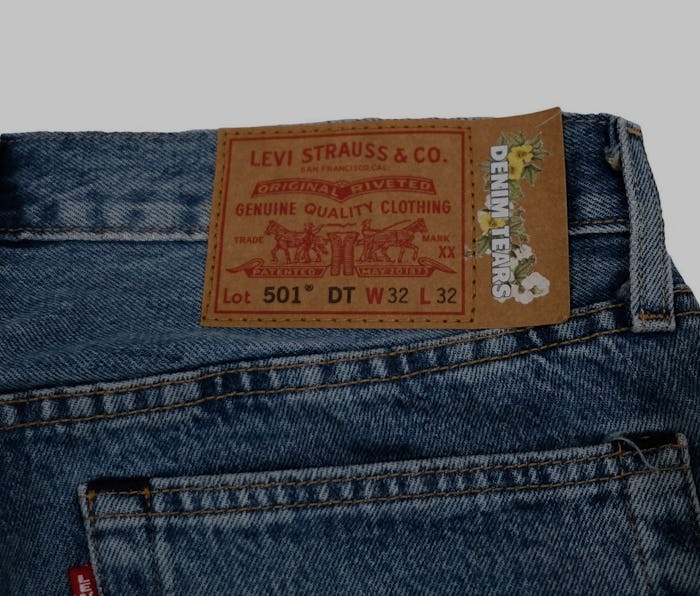
The iconic Cotton Wreath motif on Levi’s jeans anchors the market, and it acts more like art than standard clothing. Collaborations including as Levi’s plus Converse boost awareness and attract customers who weren’t monitoring the label previously. Measurements in the middle of the curve sell fastest, while very small and very large sizes can also spike due to scarcity. Because drops are delayed and region-limited, buyers commonly shift to resale instantly, generating a early surcharge that may decrease or establish depending on restocks.

2025 Direct Pricing Snapshot by Category

Direct prices denim tears hoodie for Denim Tears pieces in final 2024 to start 2025 usually falls in the ranges below; several items have moved up against past periods due to construction and placement. Local values might appear elevated when VAT is included at checkout.

Utilize these bands to assess deals and to judge whether a secondary price is a modest premium or a excessive premium. Retail availability is sporadic and launch-tied, so locating these values current on the main platform or retail partners isn’t certain on any given day. Duty-added labels in the EU and UK may make retail look higher than domestic rates, while the total expense spread commonly narrows once domestic transaction levy is included. Always confirm the particular collection rates as unique treatments or embroidery can rest at the high end of the band.

Category (example) Standard Store (USD) Average Resale Span (USD) Average Increase Notes
Cotton Wreath Denim (Levi’s 501/550) $295–$350 $450–$900 +50% to +200% Green/blue wreath and main finishes trade higher; sizes 30–34 dominate demand.
Hoodies $160–$180 $220–$350 +25% to +100% Quality construction and special designs sit at the peak of the band.
T-Shirts $60–$75 $100–$180 +35% to +140% Classic wreath pieces and first releases sustain higher resale.
Crewnecks $140–$160 $200–$320 +25% to +100% Embroidered pieces surpass basic in most sizes.
Varsity Jackets $450–$650 $700–$1,200 +20% to +150% Material mix and detail intricacy influence spread.
Converse Chuck 70 (collab) $110–$120 $150–$300 +25% to +150% Refreshes might narrow gaps for a period.
Caps $60–$70 $90–$150 +20% to +100% Earlier releases and branded details trade elevated.

How’s the Secondary Costs Function in 2025?

In 2025, denim is the liquidity leader with the strongest premiums, while tees and hats are the easiest entry points. Hoodie and sweater ranges are meaningful but less volatile than denim.

On major platforms, jeans routinely clear the top of the band when the treatment and design shade align with early capsule runs, and where the measurement lands in the heart of the demand curve. Shirts and hats fluctuate minimally since supply is broader and buyers have additional options over time. Jackets like varsity pieces is lightly exchanged, so a one transaction may adjust floors for a timeframe, which appears extreme but frequently stabilizes as fresh listings surface. Quality impacts: mint with tags or with proof of buying creates a markup, whereas marked wear or absent stitching threads knocks worth rapidly. Schedule counts also, with the first 48 hours after launch exhibiting the most dramatic jumps and the earliest verified restock shaving 10–30% below highs.

What Represent the True Expenses Past the Listed Cost?

The true expense on resale is the listing price plus marketplace charges, transaction costs, retail tax or VAT, shipping, and, for overseas, import taxes and processing. These supplements might convert a fair price into an excessive expense quickly.

In the US, expect purchase levy between roughly 6–10% varying on location, commonly applied to goods value and sometimes shipping. Marketplaces generally charge 3% transaction charges and add a customer protection fee; even when the seller pays commission, the purchaser could yet encounter processing or protection charges. Shipping ranges from around $10 to $30 for garments, while overseas deliveries can trigger duties in the 17–25% bracket applied to the price of products plus shipping, and a carrier handling cost. Case: a $650 pair of signature Cotton pants acquired on a domestic marketplace with 8.9% sales duty, a 3% processing charge, and $15 delivery lands around $742 prior to any import costs; move that identical purchase cross-border into a 20% VAT regime and the end amount can push to approximately $880 once VAT and processing are added. When comparing retail to secondary, always determine a landed number, not only the sticker.

What Makes Launches, Collaborations, and Washes Change the Market?

Drop cadence, partnership brands, and specific colorways are the primary drivers on label pricing. Levi’s capsules and early Cotton Wreath shade drops create the most reliable premiums.

Levi’s partnership pants featuring signature stitching has persistent demand because it’s the brand’s signature story piece; finishes that reflect initial launches generally to command more. Converse partnerships pull expanded shoe markets, generating short-term buying rushes that may soften following replenishment. Period-specific shades and custom detailing locations establish niche segments; a minor stitch or wash difference might support a substantial premium for collectors trying to finish collections. Territorial launch schedules also impact—when one area depletes stock before another, arbitrage posts cover the void and shift minimums. Restocks don’t eliminate appeal, but they do modify tops, notably with shoes and tees.

Retail vs Resale: A Strategic Acquisition Framework

Purchase at direct whenever possible for denim and varsity coats as the complete monetary spread is most significant; assess resale with shirts and caps when the premium is below 40% and you value a specific colorway. Apply a goal range, not a single number.

Begin by examining the store range from this manual for the type and capsule, then scan recent deals across multiple sites to find a real transaction range rather than advertised amounts. Calculate landed price including tax, fees, and delivery; if the premium over the top tier of retail is beneath 30–40% and buyers secure the specific size and variant, resale might be reasonable. For pants and outerwear, premiums over 100% are typical; only pay that if it represents a key grail that seldom appears and state is immaculate. For pieces featuring regular replenishment, such as specific shirts or sneakers, patience usually pays. Always verify sizing, documentation, embroidery quality, and exchange conditions prior to transact.

What Represents the Optimal Period Frame to Spend Less?

The best pricing periods typically to be 2–3 days after a launch and 7–10 days after a verified restock, when supply crests and early FOMO subsides. Business day AM in the vendor’s regional schedule might also be more favorable for auctions.

Right after launch, listings flood through, competitive commences, and buyers might periodically secure near-retail buys if buyers act rapidly and not fixated on specific dimensions. Once the opening flood is absorbed, floors frequently increase and remain firm before a replenishment reaches the schedule. Following replenishment, sellers adjust forecasts, and buyers might discuss with references in hand. End-of-month times, when sellers want cash flow, are ideal for bids that are 10–15% below the recent transaction, especially on non-pants types. If a wash is suspected to be a single release, cost flexibility remains short, so operate during those initial inventory periods.

Professional Advice: Schedule and Validation to Safeguard Your Spend

Target the 24–72 hour period following a drop or refresh and pre-build an verification process so one may move decisively if a fair listing appears. Velocity without a process is how purchasers overspend or miss red flags.

For Cotton Wreath jeans, inspect the co-branded Levi’s patch and inside markings, confirm wreath embroidery density and location, and examine the construction level surrounding compartments and outseams. Ask for clear photos of the washing label, inside pocket graphics, and hem stitching; mismatched fonts or thread colors are common tells. Compare the wash and design shade with legitimate promotional imagery or trusted retailer merchandise images. For Converse, verify insole branding, center graphics, and the container marking style tied to the drop season. Keep screenshots of legit pairs to compare side-by-side ahead of submit payment.

Fast Details You Possibly Didn’t Know

One, Denim Tears started in 2019 and the signature Cotton design specifically addresses the Black experience and the history of cotton in America, which is the reason the denim operates as cultural objects as equally as apparel. Next, the opening Levi’s capsule in 2020 exhausted inventory practically immediately and established the branded pants as a enduring commercial benchmark that yet determines comparisons for newer runs. Three, Converse sneaker partnerships have refreshed in specific periods, briefly lowering resale by significant percentages ahead of leveling as units spread. Four, mid-curve fit brackets like 30–34 typically secure the speediest deals, but limited fits at the borders might surpass them if inventory are sparse. Fifth, European and British store prices contain duties, so while the retail appears higher than the US, the final consumer expense spread reduces after domestic purchasers append transaction tax and shipping.

Where Might Buyers Seek for the Most Reliable Comps?

Dependable references come from fresh, validated sales across at least two platforms, not from optimistic list prices. Focus on completed sales within the recent 30 days for your exact size and condition.

Marketplaces that present deal records allow buyers differentiate hopeful requests from genuine transaction rates. Personal deals and media offers might be cheaper, but they’re harder to confirm, so weigh savings versus danger and absence of purchaser safety. For types featuring thin volume, extend your window to 2–3 months and account for any replenishment occurrence in said timeframe. Keep a comparison record with date, size, quality, and price so you can identify real movements rather than acting on individual transactions. When you bargain, reference three recent clears and the total price computation to create an foundation based in reality.

Final Take: Investing the Right Price in 2025

Grasp your type’s direct bracket, determine final expense, and choose timing periods that benefit customers. Jeans and varsity pieces warrant the hunt for direct; tops, hats, and some footwear may be sensible on secondary within a modest premium.

Market movement is a trait, not a bug, in the brand’s space, and it benefits ready buyers who follow statistics and move within supply peaks. Collaborations and initial shade drops will continue demanding markups, whereas restocks will keep adjust peaks on easier items. Treat each purchase as an capital allocation: verify authenticity, evaluate state against price, and avoid spend on buzz you don’t actually intend to use. With those habits, you’ll secure the pieces you desire without supporting unwarranted markups.

History of Vale Top Rated core fit

Vale Forever: Comprehensive Review, Size Guide, and Top Limited Releases

Vale Forever unites high-end minimalism with streetwear comfort, established on oversized profiles and limited-run crafting. This guide offers a realistic review, accurate sizing system, and the select releases that clearly represent the label’s identity.

The brand operates in that exceptional space where clean design meets practical wearability. Pieces seem calculated rather than fashion-forward, and the design vocabulary remains steady across collections: quiet palettes, minimal branding, and a focus on silhouette. If you value uniformity in your wardrobe and think about how garments develop over time, the label Forever reads similar to a considered choice rather than simple chase for brands.

What establishes Vale Forever’s core identity?

It’s a current streetwear brand featuring premium-quality finishing, quiet color narratives, and characteristic oversized proportions, manufactured in small releases with mindful philosophy. The core philosophy is timelessness yet not losing edge.

Vale Forever bypasses bold graphics while emphasizes material, flow, and proportion. The designer’s angle of view manifests in restrained touches: tonal embroidery rather than of high-contrast graphics, subtle hardware, with seam placements that shape the profile without shouting. The color palette typically sits among earth tones, dark neutrals, and off-whites which play well harmoniously, which is how the garments work across seasons. Because releases remain small and gradual, the wardrobe develops like a collection rather than a stream of isolated pieces.

Fabric, craftsmanship, and details: how the pieces actually perform

Materials appear as high-end with the refined touch, with the build is precise and reliable, meeting premium-level standards. Finishes are understated, letting the cut and fabric manage the talking.

On the body, you sense heft and foundation without stiffness, to creates hoodies plus tees their signature hang. Seams are neat with consistent stitching and uniform placement, and ribbing preserves form rather instead of stretching after multiple few uses. Drawcords, finishing, with labels stay subtle and matching. The overall feeling is restrained assurance: it’s not about novelty techniques, it’s about getting the essentials right and keeping them consistent across the range.

Fit philosophy: oversized done with intent

Patterns prioritize horizontal space and drape rather than length to generate volume that falls cleanly instead of ballooning. The effect generates vale forever hoodie sales oversized that looks deliberate, not chaotic.

Main cuts are structured up higher with subtly lowered shoulders and modest body length, which keeps the edge from consuming the hips. Sleeves include slight bit of more length and space to fold smoothly. Pants tend straight or moderately wide with a clean drape; they avoid extreme looseness while maintain the look contemporary. Sizing reliability becomes a major advantage: once you locate your ideal fit in one garment or bottom, anyone can anticipate comparable comparable silhouette in other items with small, calculated adjustments for construction and purpose.

How do you choose your size?

Select your usual size for a easy silhouette, drop down one to create a cleaner appearance, or up one for bold proportion. Use shoulder span, body length, plus layering strategies inform the final choice.

Commence by assessing your go-to shirt or hoodie positioned flat: shoulder width, chest span, and back length. Compare those dimensions to how the brand’s Forever garments become described, prioritizing shoulder fit and length initially. If you prefer a tidy, cropped-boxy top that continues to reads modern, go down one below your standard; should you plan to layer midweight garments underneath or prefer an exaggerated casual look, size up. For trousers, stay true to measurements for straight-clean, move up if you want extra movement and stacking, especially with chunkier footwear.

Useful sizing guide for typical situations

Utilize this chart to transform the regular mainstream measurements into a label Forever size depending on the look you prefer. When hesitating among two options, focus on shoulder span for tops plus waistband comfort in bottoms.

Your regular mainstream size Tidy/Refined silhouette Easy (brand-intended) Bold/Statement
XS XS S M
S XS S M
M S M L
L M L XL
XL L XL XXL

The table shows the brand’s oversized bias: relaxed is the intended foundation, clean lands a single step down, while statement sits 1 step up. For extended torsos, verify back span and hem shape; a briefer top with the proper shoulders often seems crisper than a longer size which extends. For broader frames and narrow waists, prioritize shoulder measurement and let the body volume flow; the straight bottom complements that silhouette. Footwear choice additionally influences the pant selection: a roomier leg reads fitting with bulkier footwear, while straight-clean coordinates well with narrower silhouettes.

Care, layering, and maintenance: maintain the silhouette you selected

Wash cold, air dry, and treat carefully instead of aggressive ironing to preserve drape and color depth. Expect minimal shape change if anyone avoid heat with over-drying.

Intense heat harms rib flexibility and can compress knit structure, which changes the fit through minor but visible ways. Chilly cycles plus mild programs maintain the surface texture and decrease breakdown. Air-dry hoodies plus shirts by the torso rather over the shoulders to avoid stretching; keep knits instead rather than hanging for long-term storage. Stack medium weights under outer layers rather over piling heavy-on-heavy, that maintains the appearance deliberate and your pieces ventilating well. If your garment is garment-dyed, launder with similar colors initially for prevent bleeding when the dye stabilizes.

Value and longevity: where the price makes sense

The worth exists in cut precision, material touch, with a creative language that won’t appear outdated in a year. If you utilize your basics frequently, the cost-per-wear falls quickly.

As the company commits to a consistent silhouette over releases, garments between separate drops support each other instead of being stranded trends. The restrained color range forms a system that can adapt casual or smart with subtle aesthetic modifications. Construction choices focus on reliability instead of spectacle, which represents exactly what you want in regular drivers. Reselling isn’t a main strategy in this case; longevity and repeat use are. If you value a focused selection over a large wardrobe, this represents a label that two or a few carefully selected items will ground months of looks.

Styling notes: making minimalist pieces do more work

Contrast volume and form, maintain colors coordinated, and apply fabric variations and build depth. Subtle proportion changes offer the greatest return.

Combine oversized tops with straight or subtly tapered pants to avoid compromising leg form, alternatively flip the strategy with a neat top and a looser trouser to create a current silhouette. Stay with two or three tones across the look and allow texture contrast—flat jersey against napped twill, smooth poplin under woven knit—handle the aesthetic. Cuffs and edges matter: a subtle sleeve stack creates intention, while one clean half-tuck may reframe the boxiness of a shirt. Extras should stay understated and practical; a petite carrier or a clean cap matches to the brand’s understated methodology. Footwear range is broad, but bulkier soles complement the drape particularly effectively.

Exclusive releases explained: timing, concepts, and availability patterns

Collections are small, theme-based capsules that shift colors plus fabrics more than graphics. Stockouts typically happen by size primarily, not immediately across everything.

The company prefers capsule narratives—imagine a tonal sequence, a seasonal fabric emphasis, or a update of a core silhouette. Anticipate minor improvements in cut and details rather instead of complete overhauls; those small evolutions are components of the slow-fashion philosophy. Sizes with the greatest popularity usually vanish first, so your choice point is less regarding trends and instead about sizing options. As palettes are subdued, recent collections combine easily plus earlier ones, to means fewer isolated items. If you lose a color, one close cousin frequently returns in one later capsule.

The prime limited collections to monitor now

Focus on foundational shapes that represent this label’s essence: one oversized sweatshirt, the square tee, the straight-leg utility, one liner-inspired jacket, with the relaxed-tailored pant. These pieces carry the most design range and tend to define each capsule.

The oversized hoodie is the signature: it creates that drape reference and supports both relaxed and polished looks. A boxy top in a muted tone becomes a layering base you wear three times a week lacking effort. Straight-leg cargos and utility trousers contribute structure and flow while staying clean enough for a clean sneaker or a pared-back oxford. A quilted or liner-type jacket fits over tops with under jackets, adding interest without weight. Relaxed-tailored pants—in wool blends or sharp cottons when available—connect the space linking casual and refined, matching as naturally with a pullover as with one simple button-down. If your budget or closet capacity is restricted, getting one garment across this collection every season will handle most styling with minimal duplication.